
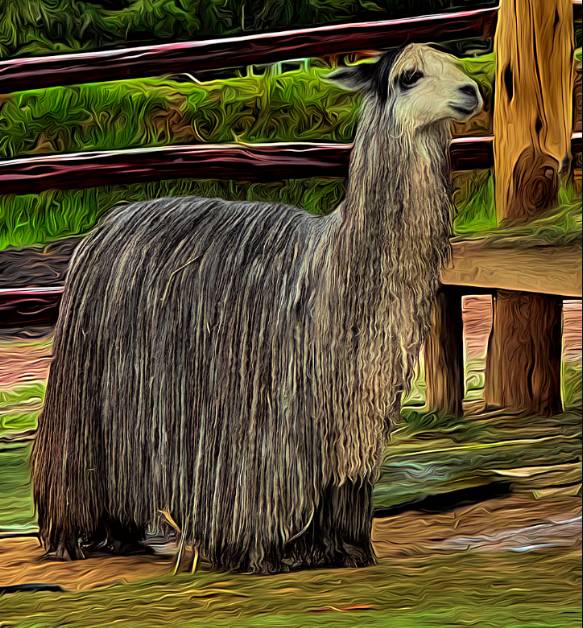
Wildlife photography is one of the most rewarding ways to work with a camera, because it brings together patience, timing, and a real appreciation for nature. A single moment can carry a lot of emotion, whether it is a bird taking flight, a deer standing still in morning light, or a fox moving quietly through a field. That is why so many beginners are drawn to it. It feels alive, and every outing brings something different.
For beginners, the biggest challenge is often not the camera itself, but learning how to slow down and observe. Animals do not follow a script, and that is part of the charm. A good photo may happen in seconds, while the wait before it can take much longer. Still, with practice and the right approach, this style becomes easier to understand. The key is to stay patient, keep learning, and let each shoot teach you something new. When you build that habit, wildlife photography starts to feel less intimidating and far more enjoyable.
1. Start with animals close to home
You do not need to go on a long trip to begin. Local parks, ponds, gardens, and even your own backyard can offer plenty of good subjects. Birds, squirrels, ducks, and butterflies are all useful for practice. Starting small gives you a chance to build confidence without pressure.
2. Study how animals behave
One of the best outdoor photography techniques is to observe first and shoot second. Animals often repeat patterns. They feed, rest, move, and react in ways you can notice if you take time to watch. Once you understand those patterns, you will be better prepared when the right moment appears.
3. Use soft natural light
Light can make or break a photo. Early morning and late afternoon usually provide the best conditions because the light is softer and more flattering. Harsh midday sun can create strong shadows and make the image feel flat. Gentle light often gives your subject a cleaner and more polished look.
4. Keep a safe distance
Animals should never feel cornered or disturbed. Staying back helps them remain calm and keeps you safe, too. A zoom lens can be very useful here, because it lets you frame the subject clearly without stepping too close. Respect matters in the field, and it often leads to better photos as well.
5. Focus on the eyes
The eyes give a wildlife image life and direction. When the eyes are sharp, the viewer connects with the subject more easily. This simple habit can make a big difference, especially for beginners who want stronger results right away. Even if the rest of the body is slightly soft, sharp eyes can hold the frame together.
6. Keep your camera steady
Blur is one of the most common problems in outdoor shooting, but it is easy to reduce. Hold your camera with both hands and keep your body as stable as possible. If needed, lean against a tree, wall, or fence for support. A tripod can also help in situations where you have time to set up carefully.
7. Be ready before the action starts
Wild animals do not wait for perfect timing, so preparation matters. Keep your camera ready, check your settings, and stay alert. If a bird suddenly moves or an animal changes direction, you will be prepared to react. A little readiness can save a great moment from being missed.
8. Use simple backgrounds
A clean background helps the subject stand out more clearly. Busy branches, bright objects, or clutter behind the animal can pull attention away from the main focus. When possible, choose angles that make the background softer and less distracting. The result often looks more professional and easier on the eyes.
9. Try shooting from eye level
This is one of the most useful wildlife photography guide tips for beginners. Shooting at eye level makes the image feel more personal and natural. It helps the viewer connect with the animal instead of looking down at it from above. Sometimes a simple change in body position can improve the whole photo.
10. Take more than one shot
Good wildlife moments can pass quickly, and one frame is often not enough. Shoot several images when the moment appears, then review them later. This gives you a better chance of catching the strongest expression, pose, or movement. It also helps you learn what works and what does not.
11. Practice patience every time
Patience is one of the most important parts of the process. Some outings will feel quiet, and that is perfectly normal. The best photographers know how to wait without rushing. The more comfortable you become with the pause, the more likely you are to catch something special.
12. Review your photos and learn from them
After each session, go back through your images with a clear eye. Look at what worked well and what needs improvement. Maybe the light was perfect, but the focus was off. Maybe the subject was strong, but the background was too busy. Every photo offers a lesson, and those lessons add up over time.
A few habits that help every beginner
- Move slowly and avoid sudden motion
- Watch the light before taking the shot
- Keep the subject cleanly framed
- Stay quiet and patient
- Review your work after each outing
Why steady practice matters
A strong outdoor photography technique routine does not have to be complicated. What matters most is consistency. The more often you go out, the more you will notice patterns in light, movement, and behavior. Over time, your reactions become faster, and your framing becomes more natural.
Building confidence as you grow
Every beginner starts with small wins. A clear subject, good light, or a sharp eye can all be enough to make a photo feel successful. As your confidence grows, you will begin to trust your eye more. That is usually when your work starts to improve in a meaningful way.
Create your own style over time
A thoughtful wildlife photography guide should never make you feel boxed in. Instead, it should give you room to grow. Try different distances, lighting conditions, and compositions. As you experiment, you will begin to notice what feels right for you. That is how a personal style begins to take shape.
Explore Wildlife Photography With Howard Harris Photography
If you are ready to take your wildlife photography practice further, keep building your eye, your patience, and your confidence. Howard Harris Photography encourages a careful, observant approach that helps beginners look more closely, shoot with intention, and grow into a stronger creative rhythm.