
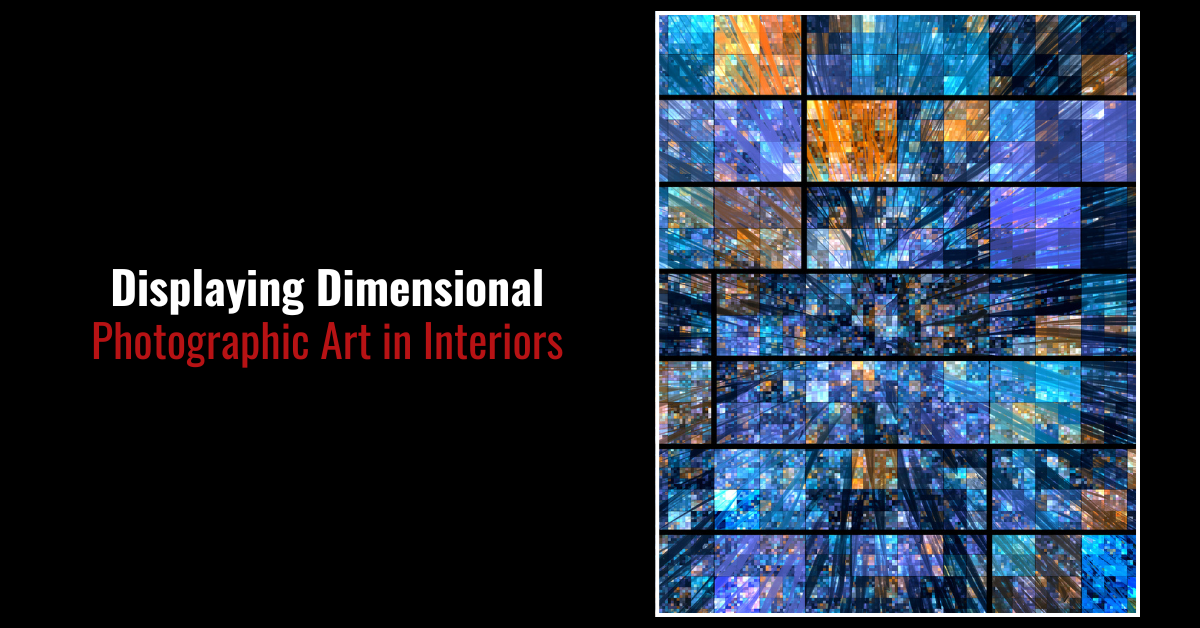
Dimensional photographic pieces are very special. They are not flat like normal pictures. They have depth and layers that change how light and shadow look. To display photographic art properly, it is important to think about where it goes and how it is lit. Placing it carefully can make a room feel brighter, bigger, or more interesting.
Understanding how photographic art interacts with space is important. These artworks catch light in different ways. They can look different depending on where someone stands. Seeing all the layers makes the artwork feel alive and exciting.
Picking the Best Wall
Choosing where to put a dimensional piece is very important. Living rooms, hallways, and offices are good places.
Think about the wall color and how much space is around it. A light wall can make the art stand out, and a darker wall can create contrast. Make sure the area is not too busy so people can notice the details clearly.
Using Light Correctly
Light makes dimensional art look amazing. Sunlight, spotlights, or soft lights can show shadows and depth.
Shadows help the artwork pop and make it feel three-dimensional. Bright direct sunlight can fade colors, so soft, angled lighting works best. Proper light lets viewers enjoy all the textures and shapes of the art.
Mounting and Frames
How the artwork is hung matters a lot. Floating mounts or shadow boxes make it look like it is floating on the wall.
Frames should support the art but not cover it. Simple frames help the layers stand out. Proper mounting also keeps the artwork safe from scratches or falling. This protects the display of photographic art for a long time.
Think About Viewing Angles
Dimensional pieces change when you move around them. Consider how people will see it.
Eye-level placement works well for most art. But big pieces might look better a little higher or lower. Leaving space in front lets viewers step back and notice all the layers. This helps show the full beauty of the artwork.
Colors and Contrast
Colors inside the artwork and the room affect how it looks. Bright colors can pop on a neutral wall. Soft colors blend in but feel calm.
Contrast makes each layer of a dimensional piece easy to see. Matching or complementing colors in furniture and décor can highlight the layers and textures of photographic art.
Protecting the Artwork
Dimensional pieces can be delicate. Keep them away from direct sunlight, heat, or humid spots.
Dust them gently with a soft cloth. If needed, protective glass or acrylic can keep the surface safe without hiding the layers. Good care keeps the art looking beautiful for years.
Making it the Center of Attention
Dimensional pieces often become the main focus of a room. Place it above a sofa, on a feature wall, or near the entrance to draw eyes immediately.
The rest of the room should complement the artwork. This way, the display of photographic art stands out and makes the space more lively.
Grouping Multiple Pieces
Sometimes, multiple-dimensional pieces are shown together. Spacing and alignment are important to make it look neat.
Arranging pieces as a series can tell a story or show progression. Equal spacing and straight lines keep it organized. Grouped works let people enjoy more details while keeping the room balanced.
Match it with Interior Design
Dimensional pieces should fit the room. Minimalist spaces highlight the artwork. Busy or eclectic spaces may use it as a central point.
Using similar colors, textures, or lighting in the room can make the artwork feel part of the space. This lets photographic art enhance the room instead of feeling out of place.
Start Displaying Dimensional Photography
Experience the beauty and depth of photographic art in interiors with Howard Harris Photography. Browse galleries, explore unique dimensional pieces, and request guidance on placement and purchase to make your space come alive with one-of-a-kind artworks.