
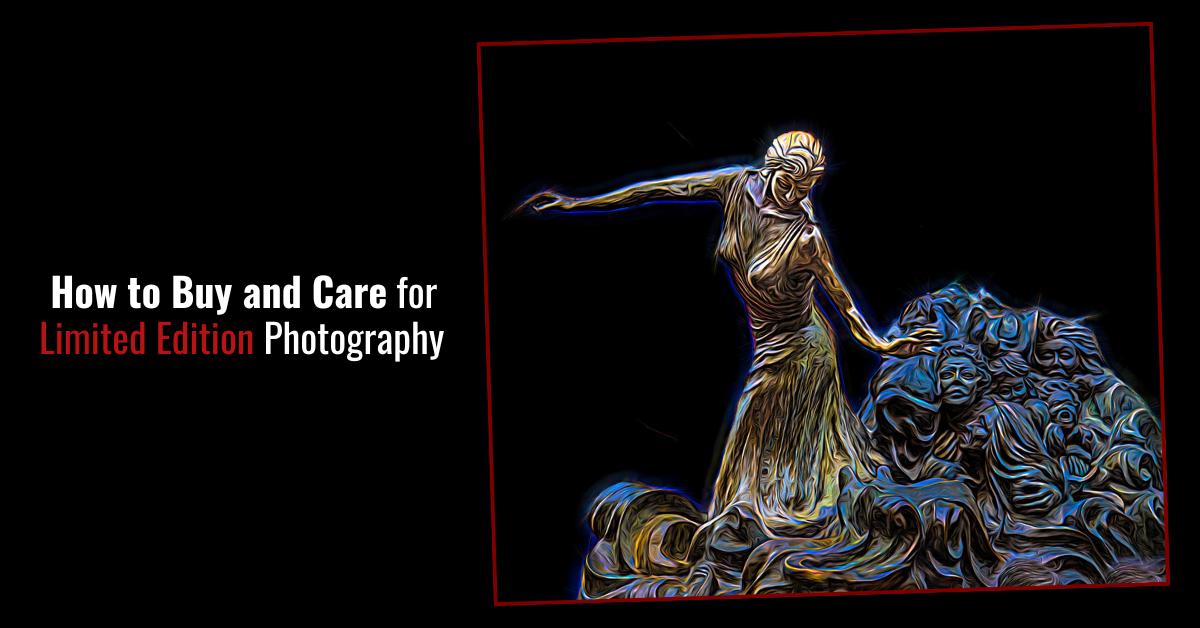
Owning art is fun, especially limited edition photography. These pictures are special because only a few are made. That makes them rare and unique. Many people like to have them in their homes, offices, or galleries. Limited edition photography is not just decoration. It is also an investment that can be valuable over time.
When buying art, it is important to know how to take care of photographic prints. Good care keeps them bright and beautiful for many years. Knowing what to look for and how to handle the prints helps them stay in great condition.
What is Limited Edition Photography?
Limited edition photography is a small set of prints made from a single image. The artist signs and numbers each print. Fewer prints mean more rarity. Some collectors look for prints with lower numbers because they are often more valuable.
These prints can show many things, like landscapes, animals, city streets, people, or abstract art. Choosing a picture that matches your taste or fits the room is important.
Always check if the print is real. A certificate of authenticity shows that it is part of a true limited edition. This certificate is like proof that the print is official and not a copy.
Learning About Photographic Prints
Before buying, it is good to know about photographic prints. They can be made in different ways. Some are printed on fine paper using ink or chemicals. Others are printed digitally. Each method changes the look and feel of the print.
Paper quality is important. Acid-free paper helps prints last longer. Some prints are mounted on materials like aluminum or acrylic. This makes them stronger and keeps them from getting damaged. Knowing this helps in picking prints that will stay beautiful.
Checking the Print Before Buying
It is smart to check the print before buying. Look closely at the colors, sharpness, and details. Make sure there are no scratches, smudges, or faded areas. Check the edition number. It is usually printed on the corner or back. The certificate should match this number. This helps make sure the photographic print is part of the real limited edition.
How to Display Limited Edition Photography
Displaying prints the right way helps them last longer. Keep prints out of direct sunlight. Sunlight can fade colors over time.
Use frames with UV-protective glass or acrylic. This shields the print from harmful light. Make sure the glass does not touch the print. Mats or spacers create a little space so the print stays safe.
Avoid putting prints in places with high moisture, like bathrooms or kitchens. Moisture can warp the paper or ruin the print. Keep them in a stable, dry place.
Cleaning and Caring for Prints
Cleaning limited edition photography needs care. Use a soft brush or microfiber cloth to remove dust. Never spray water or cleaning chemicals directly on the print.
For framed prints, gently clean the glass or acrylic. If a print is fading or damaged, a professional conservator can fix it. Proper care keeps the print looking new for years.
Storing Prints
Sometimes, prints are not displayed. In that case, store them safely. Wrap each print in acid-free tissue paper or glassine. Keep them flat in a strong box to avoid bending or creasing.
Store prints in a cool, dry place. Avoid attics, basements, or hot and humid areas. Correct storage preserves color and keeps the print safe until it is ready to be hung.
Investing in Limited Edition Photography
Limited edition photography can also be an investment. Since there are only a few prints, they can become more valuable over time. Factors like the artist’s reputation, edition size, and photographic print quality affect the value. Keeping prints in good condition helps them stay valuable. Collecting these prints is both beautiful and smart for long-term value.
Buying from Galleries or Dealers
Buying from a gallery or dealer makes it easier to get authentic prints. Galleries usually provide certificates of authenticity. They also advise on care and framing.
A trusted dealer can explain edition sizes, artist background, and investment value. Always check reviews and return policies. This ensures a safe and secure purchase.
Shipping and Handling
If a photographic print is shipped, proper packaging is important. Use bubble wrap, stiff backing, and protective corners. This stops bending or scratches during transport. Track the shipment and consider insurance for expensive prints. Safe handling protects the print and keeps its value.
Start Your Collection Today
Discover the beauty and uniqueness of limited edition photography with Howard Harris Photography. Browse the galleries, explore captivating artworks, and request purchase or licensing information to begin or expand a personal collection.