
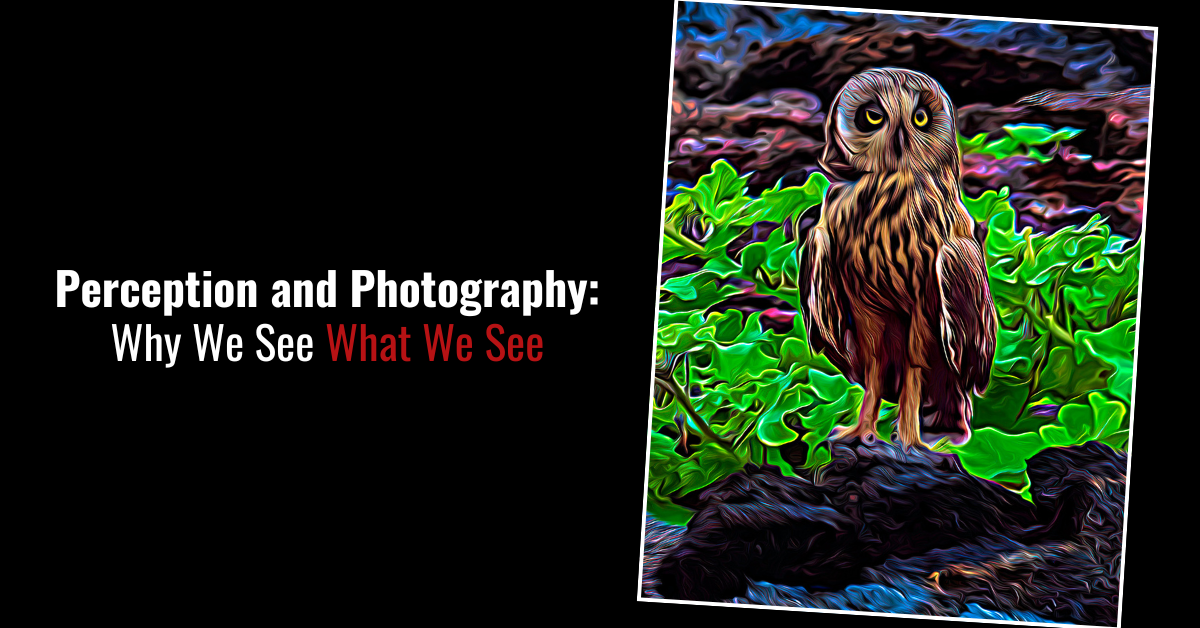
Photography especially captures the world. It freezes moments and shows them in a picture. Some photographs are more than just pictures; they are pieces of art. They can tell a story, show emotions, and make people feel something special. Each photo is made carefully with color, light, and shape to make it look beautiful.
How people look at pictures is different for everyone. Perception is how the brain sees and understands what is in a picture. Two people can look at the same photo and notice different things. Some people see colors first, some notice shapes, and some feel the mood. Photography and perception are closely connected.
How Photography Affects What We See
A photograph is not just a frozen moment. It can guide what people look at first. Angles, focus, and details make viewers notice certain parts of the picture.
Even small changes in how a photo is taken can change how people feel. A bright sunny picture can make one feel happy, while shadows can make one feel mysterious. Photography affects perception, showing how we can see the same scene in many ways.
Composition in Photography Art
Photography art uses composition to make pictures interesting. Composition is how things are arranged in the picture. The way objects are placed, colors are balanced, and empty spaces are used all affect how the viewer sees it.
Good composition guides the eye and can make viewers feel certain emotions. For example, symmetry can make a picture calm, while off-center objects can make it exciting. Every choice helps make the picture special.
How Our Brain Sees Pictures
Perception is how the brain understands what we see. Light, shapes, and patterns are sent to the brain, which makes sense of them.
Because of perception, people can see the same photo in very different ways. Memories, feelings, and experiences can change what someone notices first. Knowing this helps photographers think about how their images will be seen.
Light and Color in Photography Art
Light and color are very important in photography and art. Bright light can make a photo feel happy. Shadows can make it feel quiet or mysterious. Warm colors feel cozy, and cool colors feel calm.
Photographers use light and color to guide the viewer’s eyes and create a mood. How light hits a subject can make it look bigger, smaller, closer, or farther away. Colors and light can tell a story without words.
Perspective Changes Perception
Perspective is where the camera is placed. High, low, or side angles change what people notice.
Perspective affects how viewers understand the picture. A close-up makes small details big. A wide view shows the whole scene. Perspective is a tool that changes perception and what we see in the photo.
Emotions in Photography
Photos can make people feel things quickly. A picture of a child playing, a dog running, or a sunset can make someone happy, calm, or curious.
Emotions are part of perception. How people feel when they look at a photo depends on what they see and remember. Photography can capture feelings that words cannot describe.
Storytelling Through Photography Art
A photograph can tell a story without words. Every detail, shadow, and color adds to the story.
Photography art can use gestures, reflections, and light to make the story deeper. People spend time looking and thinking about what the photo is trying to say. This makes the experience more personal and meaningful.
Culture and Experience Shape Perception
Perception is not just about the eyes. Culture and past experiences shape how people see things. A famous landmark may be exciting for some, but normal for others.
Knowing this helps photographers make images that connect with different viewers. Perception changes depending on life experiences, making each viewer’s response unique.
Techniques to Guide the Eye
Photographers use tools to control perception. Blurry backgrounds, focus on a subject, motion blur, or framing can make people notice what is important.
Using these tools, photographers guide how viewers look at a photo. Each choice affects how the brain sees the scene and what feelings are triggered.
Photography as a Conversation
Photography is like talking without words. A picture invites viewers to notice details, think, and feel.
Photography art becomes interactive. Each viewer brings their own perception, making the experience different for everyone. A single photo can tell many stories depending on who is looking.
Why Understanding Perception Matters
Photographers need to understand perception. It helps them know how people will notice parts of a picture and feel emotions.
Knowing perception helps turn simple photographs into art that communicates ideas, tells stories, and connects with viewers on a deeper level. It makes each picture meaningful to those who see it.
Explore Photography and Perception
See how photography art interacts with human perception with Howard Harris Photography. Explore galleries, enjoy the play of light, color, and shapes, and discover how each image can tell a different story to each viewer.