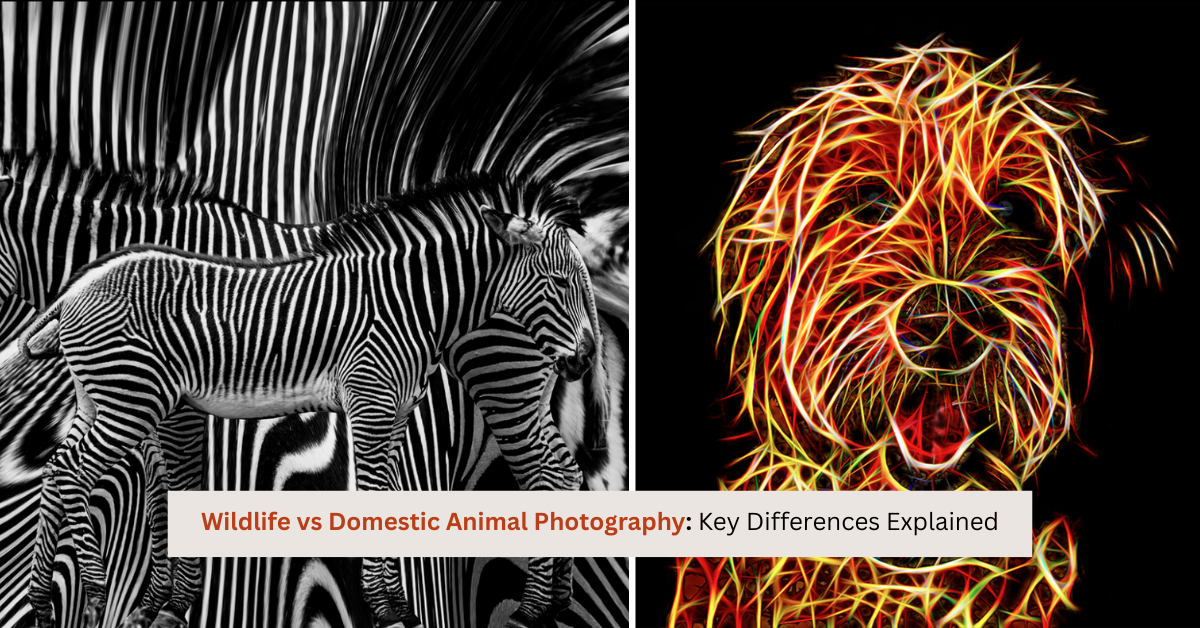
Animal photography can look similar from far away, but once you get close, the difference becomes clear. Domestic pet photography is usually about comfort, personality, and trust. On the other hand, animal photography in open nature demands patience, timing, and quick thinking. Both styles can create beautiful images, but they call for different energy, different planning, and a very different kind of connection.
If you love heartfelt storytelling and natural moments, understanding these differences can help you choose the right style for your vision. It also helps you know what to expect before the first click of the camera.
What Sets Wildlife Photography Apart From Domestic Animal Sessions
The biggest difference is control. In a home or studio setting, the photographer can guide the session more easily. In the wild, the subject is free, unpredictable, and often far away. That is what makes wildlife photography exciting, but also more demanding.
A domestic session tends to feel calmer and more personal. A wildlife session often feels like a chase for the perfect moment. One is built around emotion and familiarity. The other is built around observation and timing.
Understanding Animal Behavior Before the Shoot
Good photography starts long before the camera is lifted. In domestic animal photography, knowing how a pet reacts to strangers, sounds, or movement makes the session smoother. A nervous dog, a shy cat, or an energetic horse each needs a different approach.
Photographers often watch for small signs, like body language, ear position, or tail movement. These clues help them decide when to shoot and when to wait. That patience makes the final image feel natural instead of forced.
The Importance of Location and Natural Environment
Location changes everything. In wildlife photography, the background is not just scenery. It is part of the story. Forests, grasslands, wetlands, and mountains all shape the mood of the image.
A natural environment also changes the way light falls, how animals move, and how far the photographer can safely get. Because of that, the setting must be respected, not controlled. The best images often happen when the photographer works with nature instead of trying to push against it.
Camera Settings and Techniques for Fast Animal Movement
Fast movement needs fast reactions. In wildlife photography, shutter speed matters a lot because animals rarely stay still for long. A slight delay can mean missing the moment completely.
Some techniques that help include:
- Using a faster shutter speed to freeze motion
- Tracking the subject with steady hands
- Shooting in burst mode for more chances
- Keeping focus locked on the eyes when possible
- Staying ready for sudden movement
How Lighting Conditions Differ in Outdoor and Indoor Shoots
Light behaves differently depending on where the session happens. In domestic animal photography, indoor sessions may use soft window light, warm lamps, or controlled studio setups. That gives the photographer more freedom to shape the mood.
Outdoor sessions are less predictable. Sunlight can shift quickly, shadows can move, and cloudy skies can soften the entire scene. That is why a photographer has to stay flexible. The right light can turn a simple image into something deeply moving.
Building Comfort and Trust in Domestic Pet Photography
Trust is everything when working with animals that live close to people. Domestic pet photography depends on patience, calm energy, and a gentle pace. The photographer cannot rush the subject.
A few things that help build comfort are:
- Letting the animal explore the space first
- Using familiar toys or treats
- Moving slowly and speaking softly
- Waiting for natural expressions instead of forcing poses
- Giving the pet small breaks when needed
Challenges Photographers Face During Wildlife Photography Sessions
Even experienced photographers face obstacles in the field. The weather can change suddenly. The animal may disappear in seconds. Distance, terrain, and lighting can all work against the photographer.
That is part of the appeal, though. Wildlife photography rewards people who stay alert and patient. It is less about forcing a shot and more about being ready when the world finally gives one. The result is often raw, powerful, and unforgettable.
Capturing Personality and Emotion in Domestic Animal Photography
Some of the most memorable images come from tiny expressions. A tilted head, a relaxed pose, or a curious glance can say a lot. In domestic animal photography, the goal is not just to show what the animal looks like. It is to show who they are.
That is where timing, comfort, and observation all come together. When the photographer understands the animal’s mood, the frame feels alive. It becomes more than a picture. It becomes a memory with heart.
Equipment and Lens Choices for Different Photography Styles
The gear you choose also depends on the style. For close, intimate portraits, a photographer may use a lens that creates soft backgrounds and flattering detail. For distant subjects, a longer lens is often needed.
Wildlife photography often calls for equipment that can handle distance, speed, and changing conditions. Strong autofocus and a lens with reach can be very helpful. For pet sessions, lighter and more flexible gear may be enough. The best choice always depends on the story being told.
Safety, Patience, and Ethical Photography Practices
Respect matters in every session. Animals should never be stressed, cornered, or placed in danger for the sake of a photo. Safe distance, quiet movement, and ethical choices protect both the subject and the photographer.
This is especially true outdoors, where animals need space to behave naturally. Good photography should never come at the cost of kindness. The most beautiful images are the ones created with care.
Editing Styles Used in Wildlife and Pet Photography Images
Editing can change the mood, but it should still feel honest. Natural color, clean contrast, and soft detail often work best. Heavy editing can make the image lose its authenticity.
In both styles, the goal is usually the same. Keep the soul of the moment intact. A polished image should still feel real, warm, and alive.
Choosing Between Wildlife and Domestic Animal Photography
The right choice depends on what story you want to tell. If you want emotion, closeness, and personality, a pet session may feel right. If you want adventure, patience, and a raw connection with nature, the wild may be the better path.
Either way, the best images come from understanding the subject and respecting the moment. That is what makes the final result meaningful.
Book Professional Animal Photography Sessions That Match Your Vision
Every animal has a story, a personality, and moments worth remembering. Whether you are drawn to the quiet connection of a pet portrait or the raw beauty of nature, the right photography session should feel personal from beginning to end.
Howard Harris Photography creates thoughtful and emotional images that feel natural, timeless, and full of life. From relaxed domestic pet photography sessions to carefully captured outdoor moments, every experience is shaped around genuine storytelling and meaningful connection.